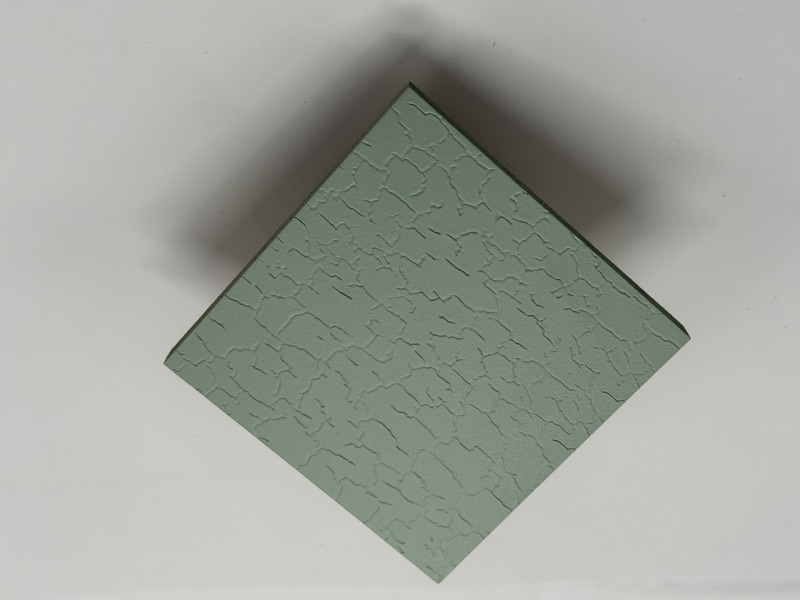
The fireplace is already the focal point of most living rooms. People arrange furniture around it, gravitate toward it in winter, and stare at it when the conversation pauses. But too often, the wall surrounding the fireplace is an afterthought. Flat paint. Plain plaster. Maybe a strip of stacked stone that looked good in 2012.
A textured embossed panel wall transforms the fireplace surround from background surface into architectural statement. The deep, tactile texture creates shadow, dimension, and a material quality that flat surfaces simply cannot replicate. When the firelight catches the ridges and grooves of an embossed panel, the wall comes alive.
Whether you have a modern gas insert, an electric fireplace, or a freestanding wood burner on a hearth, the wall behind it and around it is the single highest-impact surface in your home. Here is how to make the most of it.
Where embossed panels work around fireplaces
Gas fireplace surround walls
Gas fireplaces are the most common type installed in Australian homes today, and they are the easiest to pair with embossed panels. Most gas inserts are sealed units that radiate heat forward into the room rather than into the surrounding wall. The surround wall (the wall area flanking the firebox and above the mantle line) stays well within safe temperature ranges for panel installation.
A floor-to-ceiling embossed panel wall with a gas fireplace centred in it creates a dramatic, seamless feature that dominates the room. The fireplace feels integrated into the wall rather than stuck onto it. This is the look that interior designers spend thousands achieving with natural stone or custom joinery, and embossed panels deliver it at a fraction of the cost and complexity.
Electric fireplace feature walls
Electric fireplaces produce minimal heat compared to gas or wood burners, making them the most flexible option for embossed panel installations. Many modern electric fireplaces are designed specifically for wall mounting with minimal clearance requirements, which means you can build the textured panel wall right up to the edge of the unit.
The combination of a slim, wall-mounted electric fireplace on a full-height embossed panel wall is one of the cleanest, most contemporary looks in residential design right now. No hearth, no mantle shelf, no visible flue. Just a long, linear flame window set into a wall of deep texture. It works in apartments, townhouses, and open-plan living areas where a traditional fireplace is not feasible.
Mantle backdrop walls
Not every fireplace needs a floor-to-ceiling treatment. A mantle backdrop wall (the section of wall directly behind and above the mantle shelf) is a smaller, more contained application that still delivers significant visual impact.
This works particularly well for existing fireplaces where the surround is already finished in stone, brick, or tile. Instead of ripping out what is already there, install embossed panels on the wall section above the mantle shelf to the ceiling. The texture frames the mantle display area and gives the fireplace a layered, curated look that feels intentional rather than inherited from the previous owner.
Freestanding fireplace feature walls
Freestanding fireplaces, whether wood-burning stoves or decorative gas units, sit away from the wall on a hearth or pedestal. The wall behind a freestanding fireplace is completely separate from the heat source, which makes it an ideal surface for embossed panels with no heat-related concerns at all.
The wall behind a freestanding unit is the backdrop to the entire scene. A dark, heavily textured panel wall behind a matte black wood burner creates an atmosphere that feels like a high-end ski lodge. A lighter, warm-toned panel wall behind a contemporary gas pedestal unit suits coastal or Scandinavian-inspired interiors.
TV-above-fireplace combo walls
The TV-above-fireplace layout is one of the most requested living room configurations in Australia, and it is one of the strongest applications for embossed panels. The challenge with this layout is visual. A flat wall with a fireplace on the bottom half and a TV on the top half can feel disjointed. Two appliances stuck to a wall.
An embossed panel wall solves this by creating a unified backdrop that ties both elements together into a single, cohesive feature. The texture wraps the entire wall, the fireplace sits within it, the TV mounts above it, and the eye reads the whole thing as one intentional design statement rather than two separate items.
Embossed panels are NOT rated for direct heat contact. They must not be placed within the combustible material clearance zone specified by your fireplace manufacturer. Always maintain the required clearance distance around the firebox. For gas and electric fireplaces, this zone is typically small (check your manual). Outside that clearance zone, panels are safe for surround wall installation. Never install panels directly above an open flame without a proper non-combustible heat shield and adequate clearance. When in doubt, consult your fireplace installer.
Planning a fireplace feature wall?
Request free coaster samples of up to three patterns. You only pay $25 flat rate postage.
Request Free SamplesBest patterns for fireplace walls
The fireplace is the most dramatic feature in any room. The panel pattern needs to match that energy. Here are the three patterns that work best around fireplaces.

Scorched is the most natural partner for a fireplace wall. Inspired by the Japanese Shou Sugi Ban tradition of charring timber, the deep, blackened texture echoes the theme of fire and heat. It is dramatic, intense, and impossible to ignore.
In matte black or deep charcoal, Scorched creates a moody, enveloping backdrop that makes the fire glow brighter by contrast. The charred grain catches firelight beautifully, throwing long shadow lines across the surface as the flames move. It is the pattern that makes guests stop mid-conversation and stare at the wall.

American Oak suits fireplace walls in homes that lean toward warmth and comfort rather than drama. The refined timber grain pattern adds texture and depth without overwhelming the room. It reads as natural, inviting, and contemporary.
Paint it in a warm neutral (stone, linen, soft taupe) and the fireplace wall becomes a warm anchor for the entire living room. The texture is subtle enough to work in open-plan living areas where the fireplace wall is visible from the kitchen and dining space, but defined enough to give the surface real presence.

Rough Cut brings the feeling of a mountain lodge or rustic cabin into any home. The deep, raw-sawn timber texture is bold, tactile, and full of character. Behind a freestanding wood burner or a stone-surround fireplace, it creates the kind of atmosphere that makes you want to pour a whisky and sink into a leather armchair.
In a natural timber stain, it reads as authentic reclaimed wood. In charcoal or dark olive, it becomes a modern industrial statement. The deep grooves catch firelight from every angle, creating constantly shifting shadow patterns that make the wall feel alive.
How firelight interacts with embossed surfaces
Flat walls reflect light evenly. Embossed panels do not. That is exactly why they work so well around fireplaces.
Fire produces a warm, moving light source that is lower to the ground than most room lighting. When that flickering glow hits a textured surface, it creates dynamic shadow lines that shift with the flames. The ridges and valleys of the embossed pattern catch the light from below, producing a warm, organic shadow play that flat surfaces completely miss.
This is not a subtle effect. On a Scorched or Rough Cut panel wall, the firelight creates visible, constantly moving shadow patterns across the entire surface. The wall becomes an extension of the fire itself. It is one of the most compelling visual reasons to choose embossed panels for a fireplace surround.
Adding supplementary lighting
Firelight alone is not always enough to showcase the full texture, especially during the warmer months when the fireplace is not in use. Here are the lighting setups that work best with fireplace panel walls.
- Recessed downlights (wall washers). Position recessed downlights in the ceiling 200mm to 300mm out from the wall, angled to wash light down the textured surface. This creates raking light that picks up every ridge and groove. Use warm white globes (2700K to 3000K) to complement the fireplace atmosphere.
- Wall sconces flanking the fireplace. A pair of wall sconces mounted on either side of the fireplace at eye level cast light sideways across the textured surface, creating deep horizontal shadows. This is a classic look that works with both traditional and contemporary fireplaces.
- LED strip lighting under the mantle shelf. If you have a mantle shelf, an LED strip mounted under the lip casts warm light downward onto the surround panels and upward onto the mantle backdrop. This creates a layered glow that highlights the texture in both directions.
- Concealed perimeter lighting. For floor-to-ceiling installations, a concealed LED strip along the top edge of the panel wall (hidden behind a shadow line or small pelmet) washes light down the full height. This is particularly effective on tall, dramatic fireplace walls in double-height spaces.
A textured fireplace wall works year-round, not just in winter. When the fire is off, the embossed surface still catches room lighting and creates shadow and depth. An embossed panel wall behind a cold fireplace looks intentional and architectural. A flat painted wall behind a cold fireplace looks like a blank wall with a hole in it.
Colour palettes for fireplace panels
The colour you paint the panels defines the entire mood of the fireplace wall. Here are the directions that work best.
- Matte black or deep charcoal is the boldest choice and the most popular for fireplace walls. The dark surface makes the fire glow brighter by contrast, and the embossed texture ensures the wall never feels like a flat, lifeless void. This works best with Scorched or Rough Cut patterns.
- Warm neutrals (stone, linen, warm grey) suit fireplaces in light, airy living rooms. The texture adds depth and interest without darkening the room. American Oak in a warm neutral is the combination most chosen for contemporary open-plan homes.
- Deep, warm tones (burgundy, forest green, deep navy) create a rich, enveloping atmosphere that transforms the living room into a lounge. These unexpected colours work best on floor-to-ceiling installations where the full wall is committed to the colour.
- Natural timber stains over Rough Cut or American Oak produce the look of reclaimed timber without the cost, inconsistency, or fire risk of actual reclaimed wood. A clear or light-tinted timber finish lets the embossed grain do all the work.
Preview your colour choice using the M-Bossed AI Colour Studio before committing to a direction.
Floor-to-ceiling vs mantle-height installations
Floor-to-ceiling
A floor-to-ceiling embossed panel wall is the most impactful installation for a fireplace. It turns the entire wall into a single, unified feature that anchors the room. This is the approach used in high-end residential builds, hotel lobbies, and architectural feature walls.
Floor-to-ceiling works best when the fireplace is centred on the wall and the panel treatment extends to both edges. The seamless coverage makes the wall feel monolithic and intentional. It is particularly effective in rooms with higher ceilings (2700mm and above), where the full-height texture creates a sense of scale that shorter installations cannot match.
Mantle-height or chimney breast only
If the fireplace sits within a chimney breast (a protruding section of wall), cladding just the chimney breast with embossed panels is often enough. The protruding form already creates a focal point, and the texture amplifies it. The flanking walls can remain flat, which creates a deliberate contrast between the textured feature and the surrounding surfaces.
Mantle-height installations (panels from the floor or hearth up to the mantle shelf) work for more contained treatments where you want the texture to frame the firebox without dominating the entire wall.
M-Bossed cuts panels to your exact dimensions at no extra cutting charge. Measure the wall area, account for the firebox opening and any clearance zones, and provide the measurements when ordering. Panels arrive ready to install with no on-site cutting required.
Installation considerations for fireplace walls
Installing embossed panels around a fireplace follows the same process as any other wall: construction adhesive plus pin nails, then fill, sand, and paint. However, fireplace walls have a few additional considerations.
- Clearance zones first. Before measuring for panels, confirm the combustible material clearance zone specified by your fireplace manufacturer. Mark this zone on the wall. Panels must not enter this zone. On most modern gas and electric fireplaces, the clearance zone is relatively small, leaving the vast majority of the wall available for panel installation.
- Heat shields. If you want panels closer to the firebox than the standard clearance allows, a non-combustible heat shield (steel, cement fibre, or a proprietary fireplace shield) can be installed between the firebox and the panel area. Consult your fireplace installer for the correct shield specification.
- TV mounting. For TV-above-fireplace layouts, locate the wall studs before installing panels. Mark the stud positions and mount the TV bracket through the panel into the studs. Use a TV mount rated for the weight of your screen and ensure the TV sits outside the fireplace's heat clearance zone.
- Mantle shelf integration. If the mantle shelf is being installed at the same time as the panels, install the panels first, then mount the mantle shelf over the top. If the mantle shelf is already in place, measure and cut the panels to fit neatly against the underside and top of the shelf.
Ready to see the texture in person?
Order free coaster samples of up to three patterns. Hold them against your fireplace wall under your actual lighting to see how the texture responds.
Request Free SamplesStart with samples
Take the samples to your living room. Hold them against the wall next to the fireplace. Turn the fire on if you can, or use a torch to simulate the warm, low-angle glow. The right pattern will be obvious once you see how the firelight catches the texture.
Request free coaster samples of up to three patterns (you pay $25 flat rate postage). For a complete guide to all six patterns, read our pattern selection guide.